Aftercare
Nail Aftercare After a Manicure: 7 Habits That Protect the Finish
There is no secret top coat for long wear: allow proper drying, moisturize consistently and stop using your nails as tools.
The short answer
What to remember
- Give regular polish proper drying time and be gentle with hands during the first hours.
- Moisturize nails and surrounding skin after washing and removal, and wear gloves for cleaning.
- Inspect bare nails and take a break when peeling or irritation appears.
The first hours
With regular polish, follow the specialist’s drying guidance and avoid hot water, pressure and rummaging through a bag immediately afterward. The surface can look dry while lower layers still take an impression.
Gel cures within its system, but it does not turn nails into tools. Opening cans or scraping labels with a nail can chip or lift an edge regardless of product strength.
Seven daily habits
These habits support appearance and skin comfort, but they cannot guarantee the same wear for everyone. Natural nails, daily work and application technique also matter.
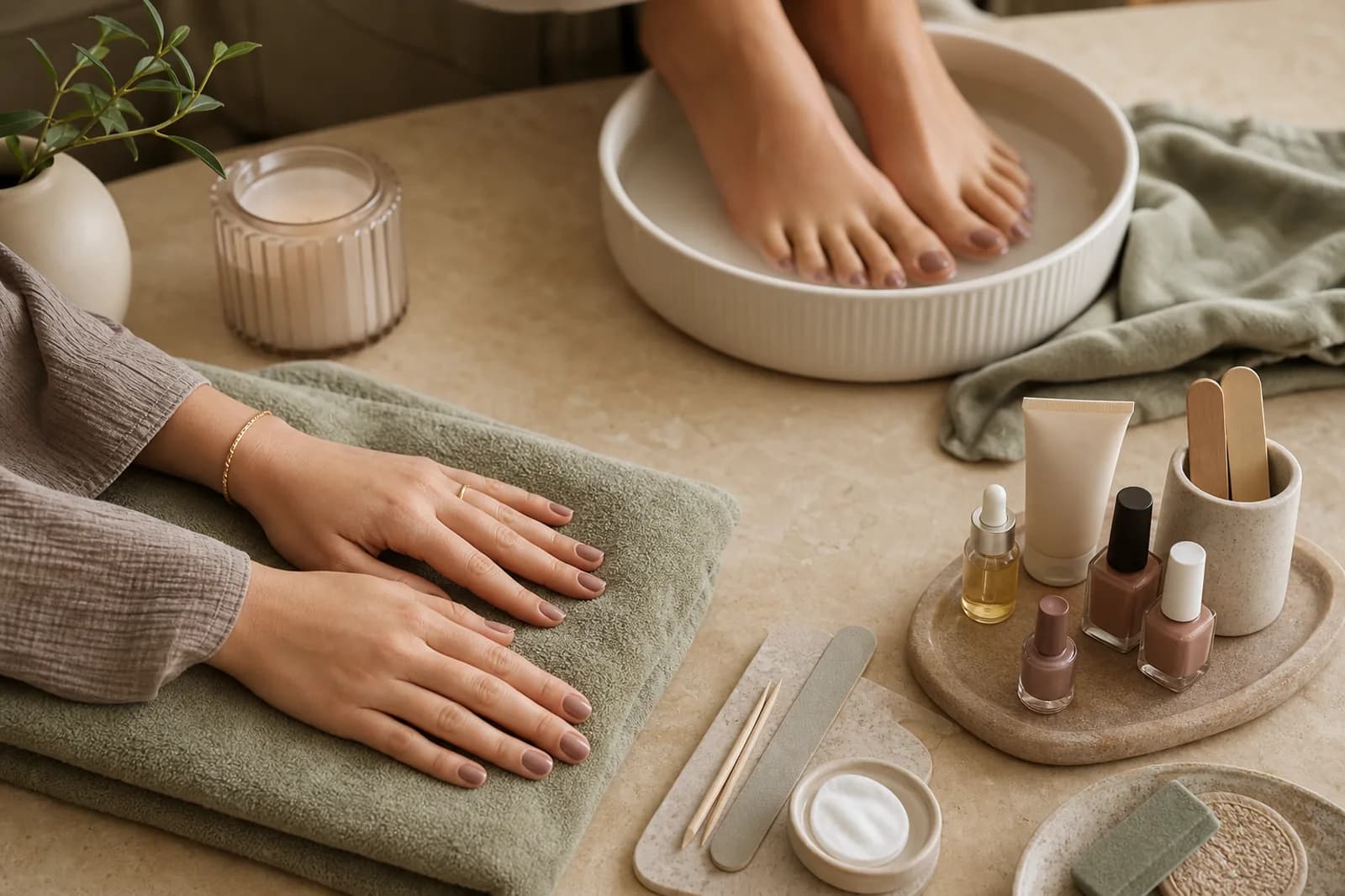
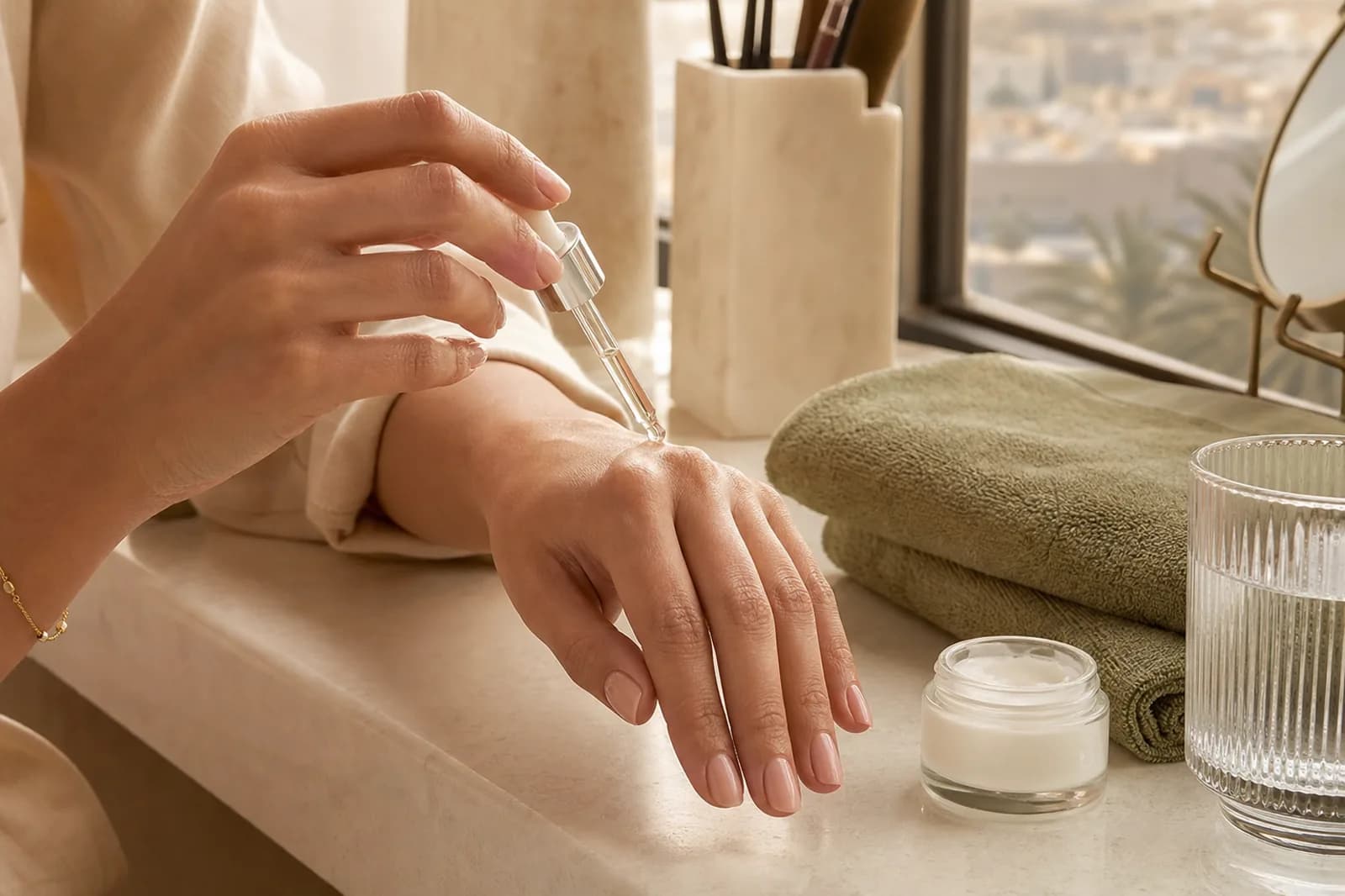
- Moisturize hands and nails after washing whenever they feel dry.
- Use a small amount of cuticle moisturizer instead of cutting or pulling skin.
- Wear gloves for cleaning and prolonged water or detergent exposure.
- Use tools—not nail edges—to open objects.
- Gently file a rough edge instead of pulling or biting it.
- Clean under nails without sharp objects.
- Inspect nails and skin when colour comes off before applying again.
When an edge starts lifting
Do not pull a lifted area, especially with gel or enhancements. Pulling can remove surface nail layers or create a space that holds moisture. Send the provider a photo and ask for the correct action for the product used.
A small regular-polish edge may sometimes be smoothed and touched up, but do not apply a home repair over pain or a visible nail change.
When nails need a break
Look at the nail and surrounding skin during removal. If peeling, marked dryness or irritation is increasing, choose time without colour and use gentle moisturizing care. Nails do not “breathe” like lungs, but leaving them bare lets you see changes and pauses the application-removal cycle.
Seek appropriate care if colour, thickness or attachment changes persist, or if there is pain or swelling. Do not simply hide the sign beneath another coating.
Simple follow-up with VEA
After a VEA appointment, keep the colour or finish name when available and photograph the result in natural light. If an early issue appears, send the photo and appointment date instead of waiting until the next visit.
At the next booking, mention what worked and what did not: drying time, edge shape or your preference for regular versus gel. A short record improves the next recommendation.
A good result does not mean keeping colour on for the longest possible time. Timely, correct removal is part of nail care.
Quick answers
Frequently asked questions
How long should regular polish dry?
Follow product and specialist guidance, and remain careful after the surface feels dry. Avoid immediate pressure and hot water.
Is cuticle oil useful?
Moisturizing can help dry surrounding skin stay soft and comfortable. Use a small amount and stop if the product irritates.
Can I peel gel when it lifts?
No. Peeling can remove nail layers. Ask for the removal process appropriate to the applied system.
When should I see a doctor?
Seek assessment for pain, swelling, discharge or a persistent change in nail colour, thickness or attachment. Cosmetic care does not diagnose these signs.
Editorial sources
Health-related statements were checked against the following public guidance. Links open the original publisher.
VEA comes to you
Ready to arrange your Riyadh home appointment?
Tell us the service, neighborhood and preferred time. The team will confirm what is currently available before you book.